

TRAVEL / ARCHITECTURE / VENICEVenice: the City Built on Water
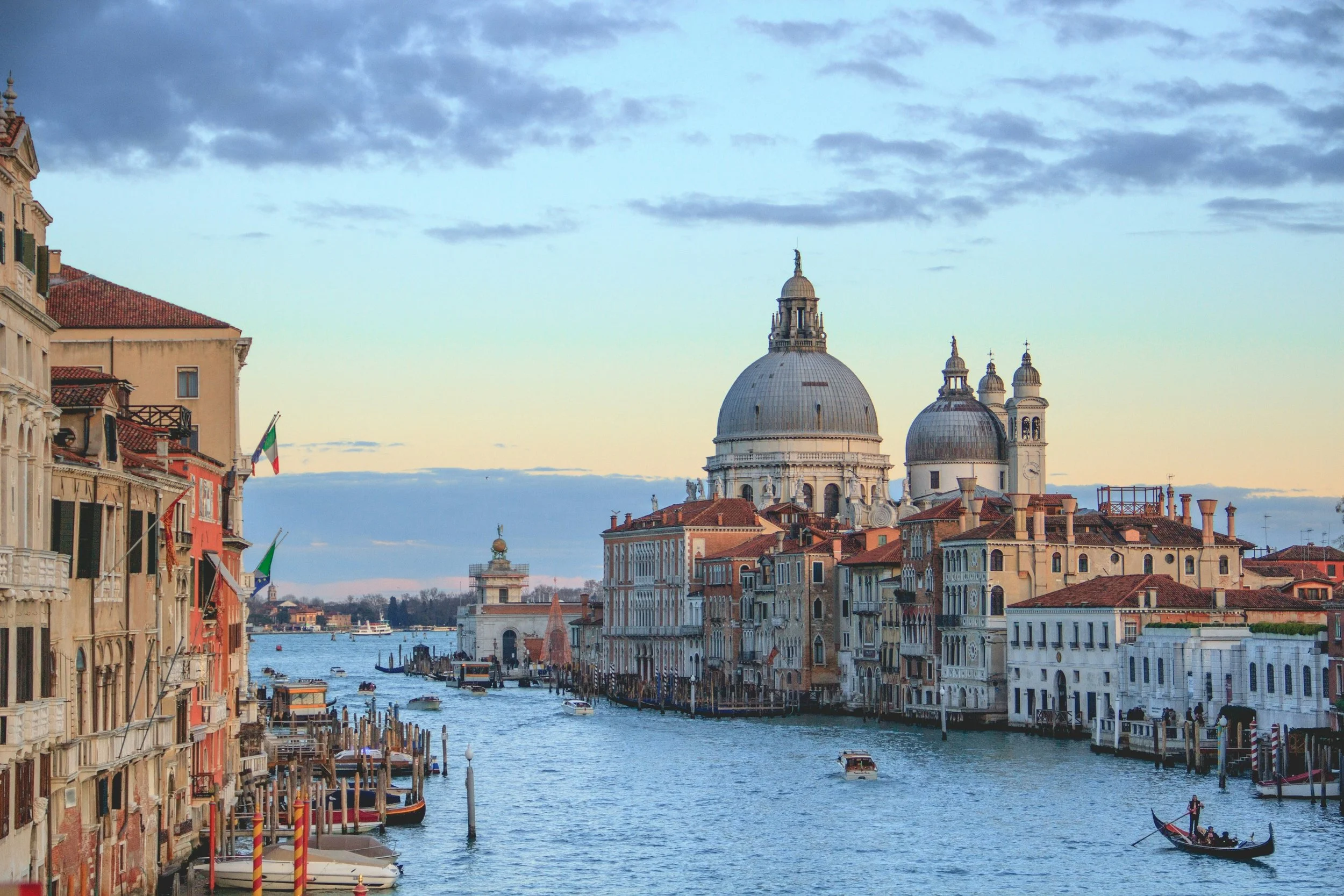
Venice appears to float effortlessly above its lagoon, but the city is the result of centuries of extraordinary ingenuity. Built across more than a hundred small islands, its foundations, canals and palaces were all shaped by one challenge: how to create a city where land and water constantly meet….
The story begins beneath the buildings themselves. Venice’s early builders drove wooden piles deep into the soft mud of the lagoon, creating stable platforms on which they could construct. Layers of water-resistant Istrian stone were then used above the timber foundations to help protect the brick structures from the lagoon.This unusual construction method made it possible for churches, houses and eventually vast palaces to rise where conventional foundations would have been impossible. Much of this engineering remains invisible today, hidden beneath some of the city’s most recognisable landmarks.Look more closely at the edges of the canals, however, and the relationship between architecture and water is everywhere: stone at the lower levels, entrances designed to be approached by boat and palazzo façades presenting their grandest face towards the canal rather than the street.WHEN CANALS BECOME STREETS
Venice developed from a collection of small islands into a city where waterways became part of the urban fabric. The Grand Canal and smaller rii function as its main arteries, with boats taking the place of cars and vaporetti forming an essential part of everyday transport.This geography also shaped the architecture. Palaces were designed to face the water, with their grandest façades opening onto the canals rather than the streets, while bridges connected neighbourhoods across the lagoon. Seeing Venice from the water therefore reveals a different side of the city: not simply picturesque canals, but a system that influenced how people moved, traded and built for centuries.The lagoon was never just a backdrop. It shaped Venice’s architecture, transport and way of life, helping transform the city into one of the great maritime powers of the medieval world.THE VERTU EXPERIENCE
Overlooking the Grand Canal, Palazzo Barocci offers a particularly fitting place from which to experience Venice from the water.
The building’s history stretches back centuries: it began as a domus maioris, later became the Teatro Sant’Angelo in 1677, and was subsequently transformed into a private residence and hotel. Today, its rooms and suites combine this historic setting with views across the canal and Venetian rooftops.
The hotel has its own private landing, allowing guests to arrive directly by boat, while the Sant’Angelo vaporetto stop sits just outside. It is perhaps the most appropriate introduction to a city whose front door has always faced the water.
HOTEL HIGHLIGHTS
Historic palazzo directly overlooking the Grand Canal
Private boat landing and Sant’Angelo vaporetto stop outside
Grand Canal rooms and suites, private terraces and a hidden Venetian garden
-
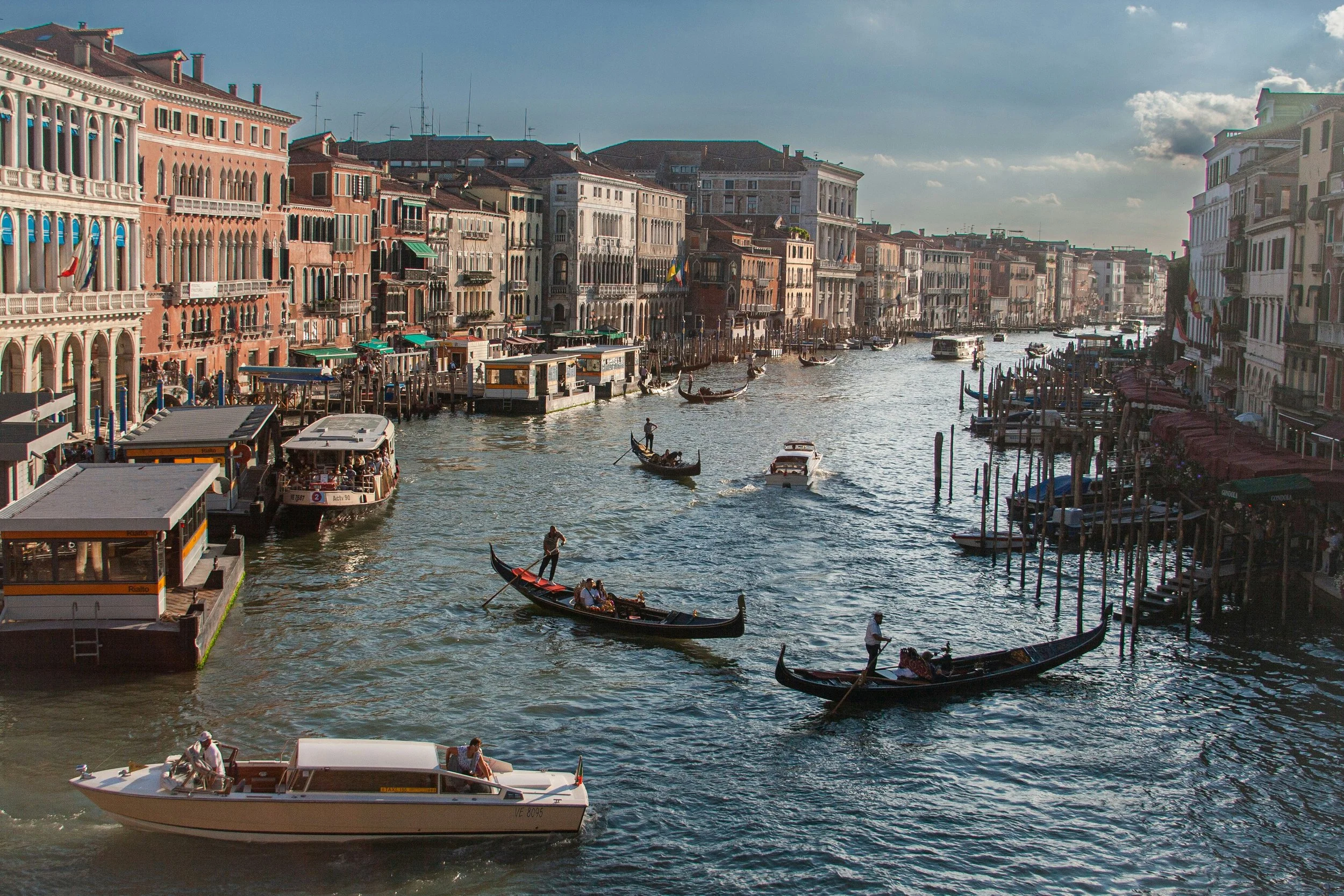
EVERYDAY LIFE ON VENICE CANALS
-
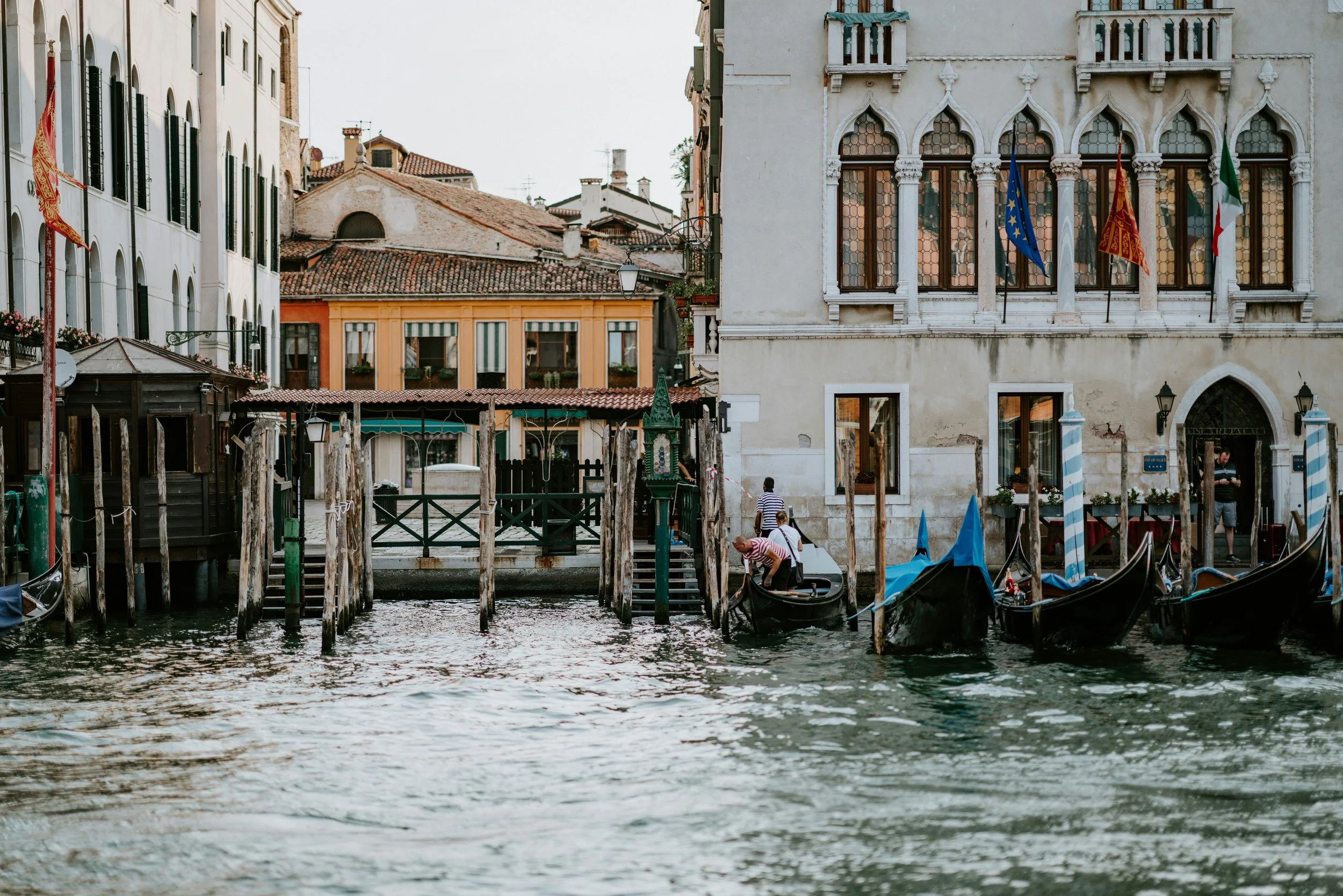
PALAZZO FACADE WITH STONE STEPS AND WOODEN MOORING
-
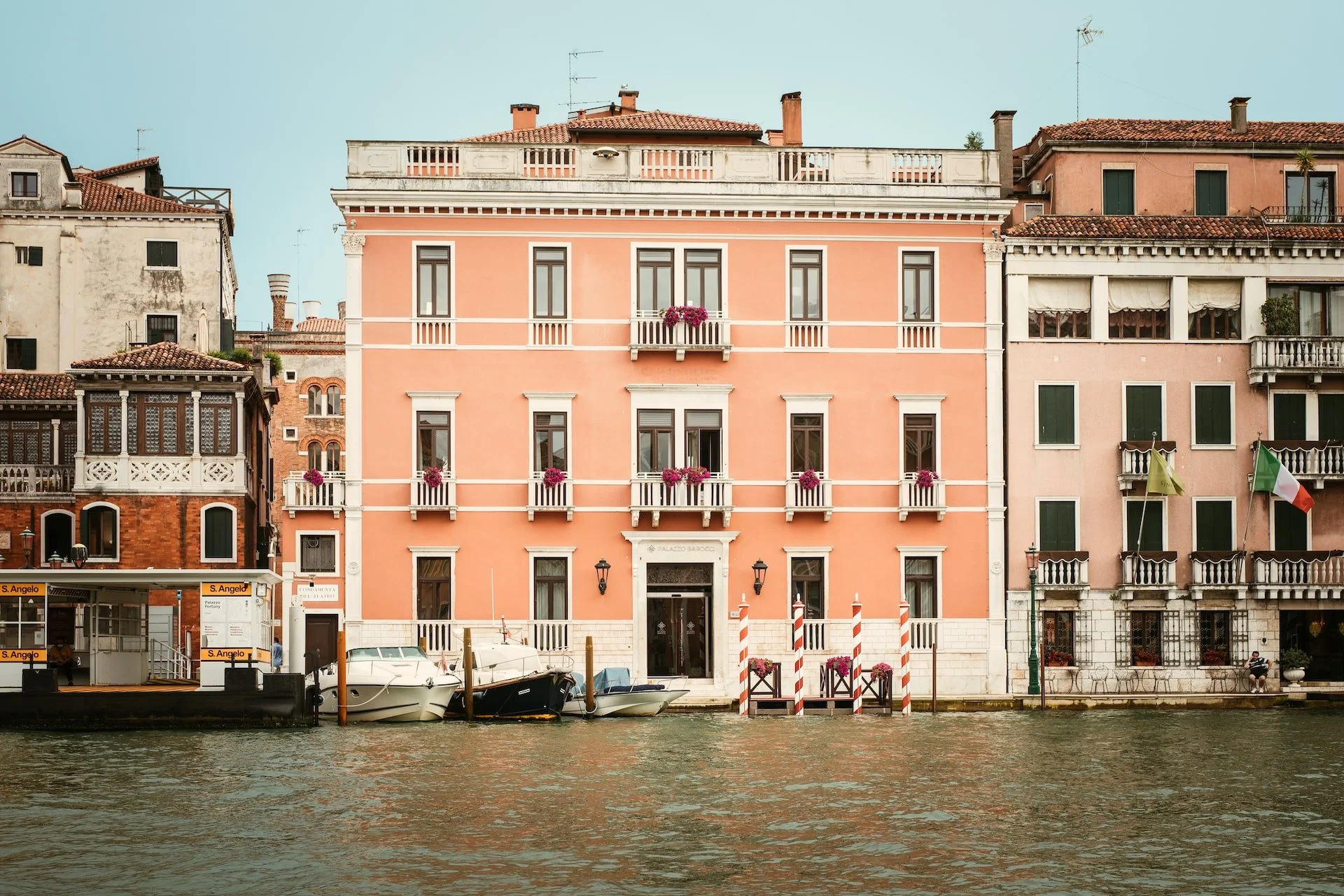
PALAZZO BAROCCI**** VENICE GRAND CANAL